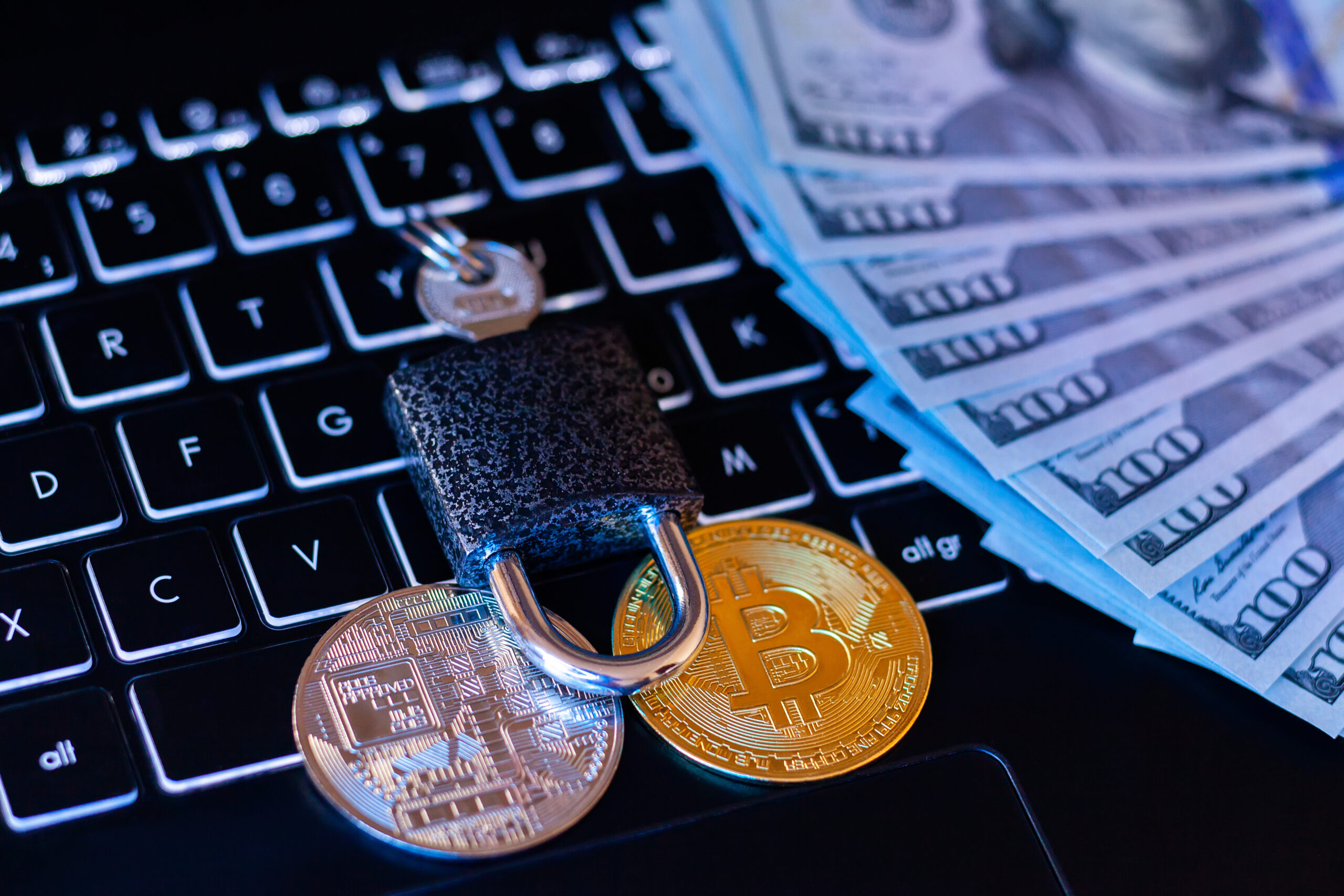
Prohibition of turnover and mining of cryptocurrencies. Bitcoin under lock and key on a laptop keyboard and hundred dollar bills in neon light. Selective focus
Overview of Recent Inflation Trends
In recent months, the United States has experienced a significant inflationary trend, with the rate rising sharply to 2.69%. This increase has raised concerns among economists and consumers alike, prompting discussions about its potential impacts on the economy and daily life.
Factors Contributing to Inflation
The surge in inflation can be attributed to several factors, including supply chain disruptions, increased consumer demand, and rising energy prices. As businesses continue to recover from the pandemic, the bottlenecks in supply chains have made it challenging to meet consumer needs, leading to higher prices across multiple sectors.
Implications of Higher Inflation Rates
The rise to 2.69% in inflation has far-reaching consequences. For one, it reduces consumers’ purchasing power, compelling households to spend more on essential goods and services. Furthermore, as businesses factor in higher operational costs, many may be forced to increase prices, creating a cycle that further fuels inflation. Policymakers must navigate these challenges carefully to prevent prolonged economic instability.
About the Author