Introduction to Ethereum and Its Importance
Ethereum, launched in 2015, is a leading blockchain platform known for its robust capabilities in supporting smart contracts and decentralized applications (dApps). Unlike Bitcoin, which primarily serves as a digital currency, Ethereum’s versatility allows developers to build an array of applications across various sectors, including finance, gaming, and supply chain management. This innovative foundation has positioned Ethereum as a fundamental player in the cryptocurrency market, effectively establishing it as a go-to platform for decentralized solutions.
The significance of Ethereum extends beyond its technical capabilities; it represents a substantial component of the broader crypto economy. The platform is designed to facilitate peer-to-peer transactions without the need for intermediaries, thus minimizing costs and enhancing transaction speeds. This functionality has not only attracted developers but also investors looking to capitalize on the growing demand for decentralized services. Ethereum’s market capital has consistently placed it among the top cryptocurrencies, often running neck and neck with Bitcoin.
A pivotal moment in Ethereum’s evolution is the transition from the proof-of-work (PoW) consensus mechanism to proof-of-stake (PoS) through the Ethereum 2.0 upgrade. This transition aims to address scalability issues and energy consumption concerns associated with PoW. By embracing PoS, Ethereum enhances its efficiency and sustainability, allowing it to process transactions more rapidly while also reducing its carbon footprint. This shift is crucial in positioning Ethereum as a responsible choice in the rapidly evolving landscape of cryptocurrencies. As Ethereum continues to innovate and develop, its role within the digital economy becomes increasingly relevant, especially in light of the current price of ETH, which stands at $3,850.
Current Price Analysis of Ethereum (ETH) at $3,850
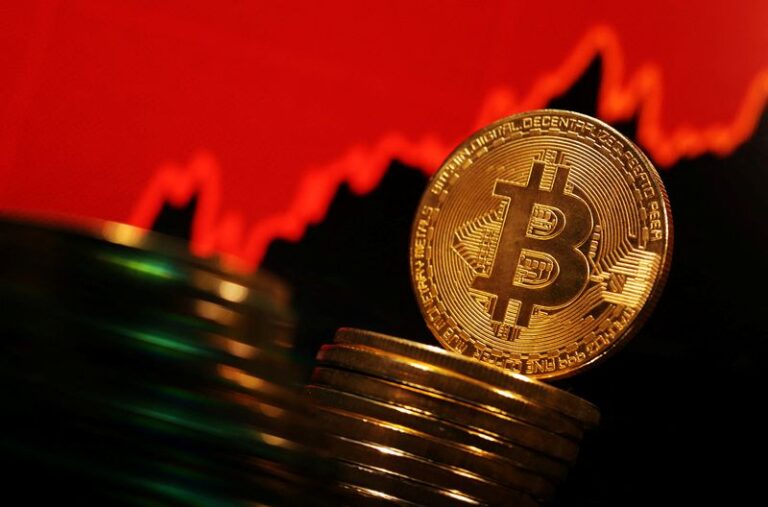
The current price of Ethereum (ETH) stands at approximately $3,850, reflecting notable trends and dynamics in the cryptocurrency market. Analyzing recent price movements reveals a complex picture influenced by various factors. Over the past few weeks, ETH has exhibited a degree of volatility, characterized by sharp fluctuations that have drawn the attention of investors and analysts alike. Price charts indicate significant peaks and troughs, particularly in response to market sentiment and external economic events.
The influence of market sentiment cannot be overstated. Investor behavior has shifted dramatically in recent weeks, driven by news developments and changes in regulations surrounding cryptocurrencies. A surge in positive sentiment following technological improvements and enhancements within the Ethereum network has correlated with upward price adjustments, pushing ETH as high as $4,000 before retracting slightly to its current level. Conversely, periods of negative sentiment, often triggered by macroeconomic indicators or sector-wide regulatory scrutiny, have prompted sharp declines in the price of Ether.
There are also external factors that have played a critical role in shaping ETH’s price trajectory. Global economic conditions, particularly inflation rates and interest rates, have a direct impact on investor confidence in speculative assets, including cryptocurrencies. Recent economic indicators showing a mixed outlook for inflation have in turn generated uncertainty, affecting the broader cryptocurrency market and contributing to ETH’s current price level. Additionally, shifts in traditional financial markets can resonate within the realm of digital assets, influencing Ethereum’s valuation.
Overall, the current price of Ethereum at $3,850 reflects a blend of internal market dynamics and external economic influences. As we continue to monitor these trends, it becomes increasingly essential to consider both sentiment and broader economic factors in understanding the price movement of ETH and the cryptocurrency market as a whole.
Factors Affecting Ethereum’s Price Movements
The pricing dynamics of Ethereum, currently valued at $3,850, are influenced by a multitude of factors that reflect both its internal developments and external market conditions. One prominent aspect is the technological advancements within the Ethereum network. Upgrades such as Ethereum 2.0, which aims to improve scalability and security through the transition from proof-of-work to proof-of-stake, play a significant role in establishing investor confidence and driving price movements. As these upgrades progress, they could lead to increased utility of the Ethereum blockchain, ultimately affecting its valuation.
Regulatory developments also significantly impact Ethereum’s price. As governments around the world create frameworks for cryptocurrency usage and taxation, their actions can either bolster or dampen market sentiment, influencing Ethereum’s pricing. Positive regulations could enhance institutional adoption, while restrictive measures might lead to price volatility. Moreover, with competition intensifying from other cryptocurrencies, such as Solana and Cardano, Ethereum must continually innovate to maintain its dominance in the smart contract sector. Market perceptions of the competitive landscape can shift investor focus, causing fluctuations in Ethereum’s price depending on its relative standing.
Macroeconomic factors, including inflation rates and central bank interest rate policies, further affect Ethereum’s value. In periods of high inflation, investors often seek alternative assets like cryptocurrencies to hedge against currency devaluation. This trend can catalyze price increases for Ethereum. Conversely, rising interest rates may lead investors to prefer traditional assets, which can negatively impact the cryptocurrency market as a whole. Moreover, market speculation, often driven by news and sentiment shifts, can lead to rapid price changes. The participation of institutional investors also cannot be understated, as their buying or selling activities can have significant effects on Ethereum’s pricing structure. Understanding these interrelated factors is critical for anticipating potential future movements in Ethereum’s price.
Future Predictions and Investing Strategies for ETH
As Ethereum (ETH) continues to trade around the $3,850 mark, market analysts and crypto enthusiasts are keenly observing its trajectory. Predictions regarding the future price of Ethereum vary among experts, with some suggesting a bullish outlook based on the growing adoption of decentralized applications (dApps) and the increasing popularity of non-fungible tokens (NFTs) within the Ethereum ecosystem. Analysts have noted that if Ethereum successfully implements scalability solutions like sharding and layer-2 rollups, these enhancements could reduce transaction fees and improve processing speeds, thereby attracting more users and potentially driving up the price.
Conversely, market volatility and regulatory uncertainties present challenges. Some experts caution that external factors, such as government regulations and environmental concerns regarding proof-of-work systems, could hinder ETH’s growth. Current price scenarios suggest that should market conditions remain favorable, Ethereum could see a price target of approximately $5,000 within the next year. However, a downturn influenced by adverse regulations could also lead to a drop to around $2,500, making the future somewhat unpredictable.
For investors considering participation in the Ethereum market, developing a robust investing strategy is essential to navigate these uncertainties. New investors should start with a clear understanding of their risk tolerance. Gradually entering the market through dollar-cost averaging can help mitigate the impact of volatility. Moreover, seasoned investors should consider portfolio diversification by allocating a percentage to ETH while also exploring complementary assets, such as Bitcoin or altcoins with strong use cases.
Additionally, maintaining disciplined risk management practices is critical. Setting stop-loss limits can help protect against significant losses, while regularly reassessing one’s investment approach to adapt to market movements will enhance resilience in a dynamic environment. Understanding these strategies will empower investors to make informed decisions regarding their ETH investments.
About the Author