Understanding Market Cycles
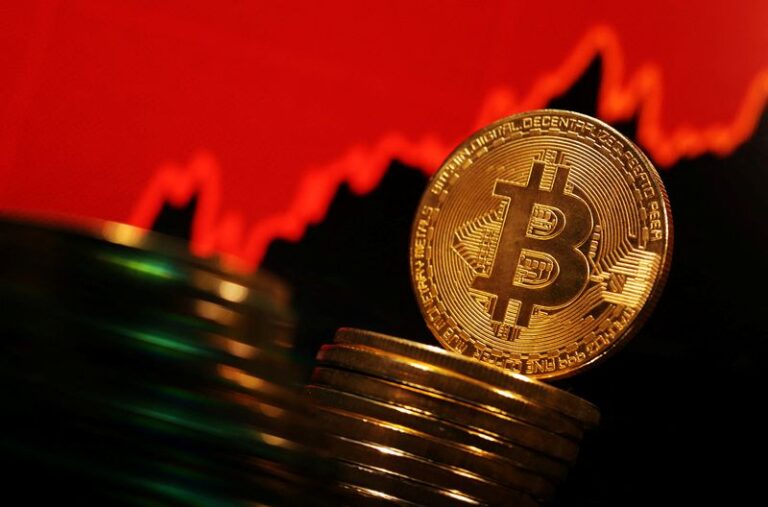
The cryptocurrency market is characterized by cyclical patterns, which can have a profound impact on the pricing of digital assets like Bitcoin and altcoins. Understanding these market cycles is crucial for investors aiming to identify optimal purchasing times. Typically, these cycles can be divided into four distinct phases: accumulation, uptrend, distribution, and downtrend. Recognizing these phases allows investors to strategize their entry and exit points effectively.
- Analyzing Key Indicators for Investment Timing: Monitoring trading volume, price action, moving averages, and market sentiment provides critical insights for timing cryptocurrency purchases effectively.
The accumulation phase often occurs after a prolonged downtrend, where prices stabilize and investors begin to build positions at lower levels. This is usually characterized by a decrease in volatility and increased trading volume, signaling that savvy investors perceive value in the asset. The subsequent uptrend phase is marked by rising prices, as market sentiment shifts positively. During this period, attracting new investors becomes essential, fueling further price increases and attracting media attention.
In addition to the cyclical nature of the market, several key indicators can help investors make informed decisions. Monitoring historical price patterns enables a deeper understanding of how Bitcoin and altcoins react to various market conditions. Additionally, keeping an eye on seasonal trends, as certain times of the year often yield predictable market behavior, can aid in developing a more tactical approach to purchasing cryptocurrencies. Ultimately, recognizing and understanding these market cycles will empower investors to navigate the ever-evolving landscape of cryptocurrencies more effectively.
Analyzing Key Indicators for Timing Purchases
Investors in the cryptocurrency market often seek optimal timing for their purchases to maximize potential returns. Analyzing key indicators can provide valuable insights into the best moments to buy Bitcoin and other cryptocurrencies. Fundamental and technical analysis both play significant roles in determining favorable buying conditions.
One essential metric to consider is trading volume. A sudden increase in trading volume can indicate heightened interest in a particular cryptocurrency, possibly signaling a bullish trend. Conversely, declining volume may suggest waning interest, which could precede a price drop. Monitoring volume trends helps investors gauge market momentum and identify potential entry points.
Price action is another critical indicator for timing purchases. Studying historical price patterns and identifying support and resistance levels enables investors to make informed decisions. A price that approaches a known support level may offer a buying opportunity, while a breakout above resistance might indicate a potential upward trend. Utilizing tools such as candlestick charts can further enhance analysis by providing insights into market psychology.
Moving averages, particularly the simple moving average (SMA) and the exponential moving average (EMA), serve as essential tools in technical analysis. These lagging indicators smooth out price data over specific periods, helping investors identify trends. A common strategy is to observe when short-term moving averages cross above long-term moving averages, suggesting a potential buy signal.
Market sentiment plays a crucial role in influencing cryptocurrency prices. Tools like the Fear and Greed Index can aid investors in assessing overall market psychology. Positive sentiment often aligns with price increases, while negative sentiment may precede declines. Understanding this emotional aspect can guide investors in timing their purchases effectively.
Lastly, external factors such as regulatory news, technological advancements, and macroeconomic conditions significantly impact the cryptocurrency market. Staying informed about these developments provides crucial context and can enable well-timed investment decisions. In summary, by analyzing trading volume, price action, moving averages, and market sentiment, along with considering external factors, investors can make more informed decisions regarding timing their cryptocurrency purchases.
Best Practices for Investors: When to Buy
Investing in Bitcoin and other cryptocurrencies can be a daunting endeavor, primarily due to the inherent volatility of the market. However, understanding effective strategies can enhance an investor’s ability to navigate these fluctuating landscapes. One recommended approach is dollar-cost averaging, which involves regularly purchasing a fixed dollar amount of a cryptocurrency, regardless of its price. This method reduces the risk of investing a substantial amount at an unfavorable moment and can lead to a lower average cost per unit over time. By spreading out the investment, investors can effectively mitigate some of the impacts of market volatility.
In addition to dollar-cost averaging, market timing strategies can also play a pivotal role in determining when to buy cryptocurrencies. While accurately predicting market fluctuations is challenging, investors can benefit from analyzing historical trends and staying informed about major events and news that might influence prices. Recognizing patterns, such as bull and bear markets, may help investors make informed decisions about optimal entry points.
Moreover, setting price alerts is a practical tool for investors. By establishing specific price points at which to buy, investors can automate their purchasing strategy, ensuring they do not miss advantageous opportunities. This approach allows for more detached decision-making, helping to reduce the emotional aspect of trading—a common pitfall for many investors. Emotional trading often leads investors to make impulsive decisions based on fear or greed, which can result in significant losses.
Ultimately, having a clear investment strategy is essential. This strategy should encompass individual investment goals, risk tolerance, and the extent of market research conducted. By adhering to these best practices, investors can avoid common pitfalls, make well-informed decisions, and enhance their potential for success in the cryptocurrency market.
Impact of Market Sentiment and News on Timing
The timing of cryptocurrency purchases, including Bitcoin, is heavily influenced by market sentiment and current news. Market sentiment refers to the overall attitude of investors toward a particular asset or market, and it can sway the price of cryptocurrencies dramatically. Positive sentiment, often fueled by favorable news or optimistic forecasts, can lead to increased buying activity, driving prices higher. Conversely, negative sentiment, frequently triggered by adverse news or market developments, can cause panic selling, resulting in price drops.
Staying informed about relevant news in the cryptocurrency space is crucial for investors. Developments such as regulatory announcements, technological advancements, or macroeconomic changes can significantly impact market behavior. For instance, news regarding cryptocurrency regulations can evoke a sense of stability or insecurity, influencing investors’ willingness to buy or sell their holdings. Furthermore, social media plays a vital role in shaping market sentiment. Platforms like Twitter and Reddit are hotspots for discussions among investors, where the opinions of influential figures can sway public perception and prompt action. Trends like “FOMO” (Fear of Missing Out) may arise from viral news or endorsements from prominent personalities, driving potential buyers to act hastily to capitalize on perceived opportunities.
Global events, including geopolitical tensions or crises, can also impact market psychology. During periods of uncertainty, especially economic downturns or global conflicts, cryptocurrencies are often considered a hedge against traditional financial systems, thus influencing timing for prospective buyers. Understanding this interconnectedness between market sentiment, news events, and global occurrences equips investors with the insights necessary to make informed decisions and identify optimal purchasing moments. By recognizing these factors, one can better navigate the complexities of cryptocurrency markets, harnessing opportunities as they arise.
About the Author