Introduction to Cryptocurrency Market Capitalization
Market capitalization, commonly referred to as market cap, plays a crucial role in the financial ecosystem of cryptocurrencies. It is a measure that reflects the total value of a cryptocurrency, calculated by multiplying the current price per unit by the total circulating supply. For instance, if a digital asset has a price of $50 and there are 1 million units in circulation, its market cap would be $50 million. This metric not only provides insight into the magnitude of an individual cryptocurrency but also serves as an indicator of the overall size of the cryptocurrency market as a whole.
The importance of market capitalization in the cryptocurrency sector cannot be overstated. It serves as a benchmark for assessing the relative value of different cryptocurrencies, helping investors and traders make informed decisions. For example, a coin with a market cap of $10 billion is generally considered more stable than one with a market cap of $100 million, as larger market caps are often associated with greater liquidity and lower volatility. As the cryptocurrency market has matured, tracking market cap has become essential for understanding sector trends and investor sentiment.
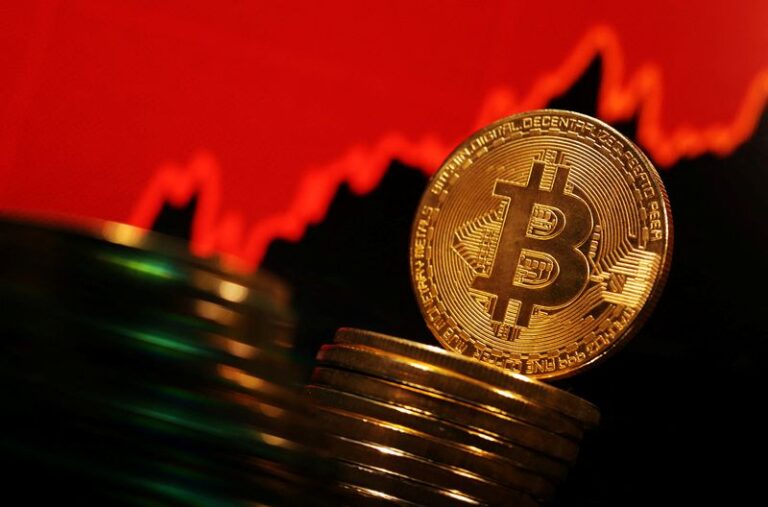
Reaching a market cap of approximately $3.70 trillion is a watershed moment for the cryptocurrency landscape, signaling significant growth and increasing acceptance of digital assets by both retail and institutional investors. This valuation illustrates not only the allure of cryptocurrencies but also the broader implications for traditional finance, as it highlights the shifting paradigms in investment strategies. With such a substantial market cap, the cryptocurrency sector is likely to attract more regulatory attention and innovation, impacting future market dynamics. This historical valuation sets the stage for understanding the implications of these changes, both for existing market participants and new investors entering the crypto space.
Factors Contributing to the Recent Surge in Market Cap
The notable increase in the cryptocurrency market cap, reaching a staggering $3.70 trillion, can be attributed to several interrelated factors. One significant element is the heightened interest from retail and institutional investors. With more individuals recognizing the potential benefits of digital currencies, there has been a marked shift towards investing in cryptocurrencies as alternative assets. Institutional investment has played a pivotal role, with major financial institutions allocating a portion of their portfolios to digital assets, thereby lending legitimacy and stability to the sector.
Furthermore, the rise of Decentralized Finance (DeFi) has notably transformed the landscape of cryptocurrency trading and investment. DeFi platforms offer innovative financial services without traditional intermediaries, allowing users to lend, borrow, and trade assets in a decentralized manner. This expansion has attracted countless new users and capital inflows, enhancing market liquidity and overall valuation of the cryptocurrency sector.
Regulatory developments have also influenced the market’s expansion. As governments worldwide begin to establish clearer frameworks for cryptocurrency usage and exchange, uncertainty wanes, encouraging both investment and participation. Positive regulatory news often leads to immediate market reactions, reflecting the market’s sensitivity to different legislative environments. Alongside this, global economic conditions, particularly inflation fears and currency devaluation, have further catalyzed interest in cryptocurrencies. Many investors view digital assets as a hedge against inflation, spurring a rush towards currencies like Bitcoin and Ethereum as they seek to preserve wealth in uncertain economic times.
In conclusion, the intricate interplay of increased investor interest, institutional participation, technological innovations, regulatory advancements, and macroeconomic factors has culminated in the substantial growth of the cryptocurrency market cap. These determinants collectively foster a more robust and vibrant digital asset ecosystem.
Comparison with Historical Market Caps
To fully grasp the significance of the current cryptocurrency market capitalization, which stands at an impressive $3.70 trillion, it is essential to analyze its historical context and the fluctuations over time. The cryptocurrency market has experienced several notable cycles, characterized by sharp rises and subsequent declines, influenced by various external and internal factors.
During the 2017 bull run, cryptocurrency values soared dramatically, with Bitcoin reaching nearly $20,000 by December of that year. This explosion in market capitalization was bolstered by widespread media coverage, increased public interest, and speculative investments. At its peak, the combined market cap of all cryptocurrencies surpassed $800 billion, establishing a new benchmark for the digital asset sector. However, the euphoria was short-lived, leading to a significant bear market in 2018, where market capitalization plummeted below $130 billion. This decline was attributed to regulatory scrutiny, security breaches, and general market fatigue.
Fast forward to 2020, the cryptocurrency landscape began to exhibit signs of recovery, largely fueled by institutional adoption and the broader acceptance of blockchain technology. The increasing participation of financial institutions and the launch of various DeFi (Decentralized Finance) projects contributed to a rejuvenated interest in digital assets. By early 2021, the market capitalization skyrocketed, breaking previous records and culminating in the current valuation of $3.70 trillion.
Understanding these historical fluctuations provides key insights into the volatility that characterizes the cryptocurrency sector. Factors such as regulatory developments, technological advancements, and macroeconomic trends will likely continue to play pivotal roles in shaping the future valuations of this dynamic market. Investors and enthusiasts alike must remain vigilant to the ever-changing landscape as cryptocurrencies transition into a more mature phase.
Future Outlook for the Cryptocurrency Market
The cryptocurrency market, valued recently at $3.70 trillion, continues to evolve amidst various trends that could shape its future trajectory. As new regulatory frameworks are introduced worldwide, the response of both established and emerging digital currencies will be pivotal. Governments are increasingly taking a proactive stance toward the cryptocurrency industry, potentially resulting in a more stabilized environment. Stricter regulations may discourage speculative investments, leading to increased legitimacy and security in the market, which could, in the long run, attract institutional buyers.
On the technological front, innovations such as blockchain advancements, smart contract capabilities, and cross-chain compatibility are expected to revolutionize how transactions are processed and assets are managed. These technological enhancements could increase efficiency and reduce costs, making cryptocurrencies more appealing for daily commerce. Furthermore, the adoption of decentralized finance (DeFi) and non-fungible tokens (NFTs) continues to grow, creating additional avenues for investment and engagement in the cryptocurrency space. This shift towards decentralized platforms may also influence traditional financial institutions to adapt their models in response to rapid market changes.
Shifts in investor behavior will also play a critical role in shaping the cryptocurrency landscape. As more retail and institutional investors enter the market, interest may wane in traditional investments in favor of cryptocurrencies that demonstrate substantial growth potential. Emerging cryptocurrencies with innovative features may outperform established ones, contributing to volatility but also presenting opportunities for significant returns. It remains essential to analyze the projected trends and impacts of these elements on the overall market valuation to develop a comprehensive understanding of the cryptocurrency market’s future
About the Author