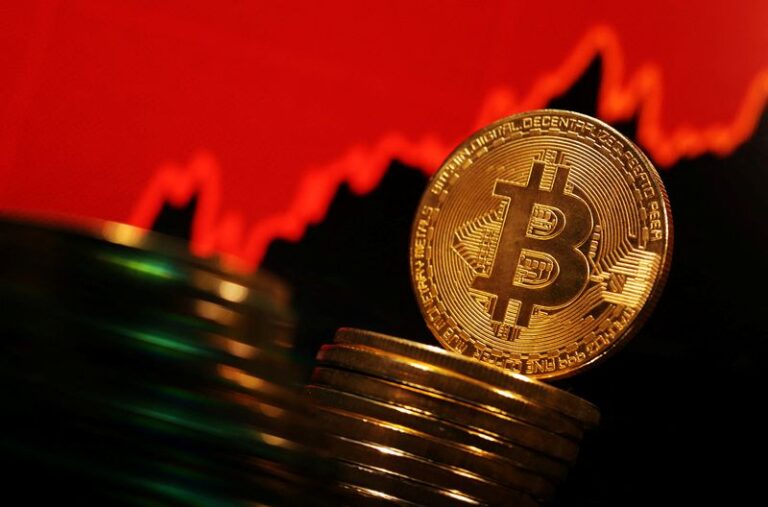
Bitcoin cryptocurrencies and graph statistic background
Understanding Bitcoin’s Recent Decline
Bitcoin, the leading cryptocurrency, has recently experienced a significant decline in value. Over the past few weeks, its market price dropped more than 20%, marking one of the most substantial downturns noted this year. Such a decrease has raised concerns among investors and analysts alike, triggering discussions about the underlying factors influencing this trend. A closer examination of market sentiment, investor behavior, and external economic indicators reveals a complex landscape contributing to Bitcoin’s recent dip.
The precipitous decline began shortly after Federal Reserve Chair Jerome Powell issued warnings regarding the potential for continued interest rate hikes and persistent inflation concerns. These statements were interpreted by the market as indicative of a challenging economic environment, leading to heightened uncertainty and caution among investors. As a result, many investors opted to liquidate their holdings in not only Bitcoin but also in an array of other cryptocurrencies. This pattern reflects a broader tendency among market participants to reassess risk exposure during tumultuous economic conditions.
Additionally, the recent decline can be traced back to a combination of macroeconomic factors. Inflation rates are fluctuating, and geopolitical tensions are at a peak, prompting further erosion of investor confidence across global markets. The cryptocurrency market, known for its volatility, has been particularly susceptible to these macroeconomic shifts. Investors tend to react swiftly to unfavorable news such as regulatory changes or suggestions of possible market interventions from prominent financial authorities. This behavior exacerbates price movements, causing rapid declines in the value of digital assets such as Bitcoin.
As these influences take hold, the current climate underscores the need for investors to remain vigilant and informed about both crypto-specific developments and broader economic signals that may impact market dynamics significantly.
The Significance of Powell’s December Warning
Jerome Powell, the Chair of the Federal Reserve, has been a pivotal figure in shaping monetary policy in the United States, particularly in the context of post-pandemic economic recovery. His leadership has significant implications for various financial markets, including cryptocurrencies. In December, Powell issued a stark warning regarding inflation and the potential for interest rate hikes, which sent shockwaves through the crypto market and raised concerns among investors. This cautious tone was not merely a reflection of current economic conditions but also a signal of the Fed’s commitment to combating inflationary pressures.
Powell articulated concerns that inflation rates were persistently elevated, which could prompt the Federal Reserve to adopt a more aggressive stance on interest rate adjustments. Such measures traditionally indicate tighter monetary conditions, which can adversely affect risk assets, including Bitcoin and other cryptocurrencies. The correlation between rising interest rates and declining risk asset values is well-documented, as higher borrowing costs can reduce both consumer spending and business investments.
The implications of Powell’s December warning were significant for the crypto market, often characterized by its volatility and sensitivity to macroeconomic variables. Investors in cryptocurrencies are particularly attuned to Federal Reserve signals, as changes in monetary policy can directly influence market liquidity and speculative trading behaviors. Powell’s remarks increased uncertainty about the future trajectory of crypto valuations, as market participants contemplated the potential for further regulatory scrutiny and the impact of elevated rates on overall market sentiment.
In summary, Jerome Powell’s December warning encapsulates the interplay between monetary policy and the cryptocurrency landscape, highlighting how Federal Reserve decisions can reverberate across diverse asset classes, particularly those perceived as high-risk. Understanding this dynamic is crucial for investors navigating the often unpredictable realm of digital currencies.
Market Reactions to Regulatory Signals
The cryptocurrency market is notoriously volatile, with prices often influenced by regulatory developments and sentiments expressed by key financial authorities. Jerome Powell, the Chair of the Federal Reserve, plays a vital role in shaping market expectations through his statements. When Powell issued a warning regarding potential regulatory changes in December, the immediate impact was a palpable shift in investor sentiment towards Bitcoin and other digital currencies. Traders often interpret comments from the Fed as signals that can dictate future monetary policies, influencing their investment strategies in the short term.
In the wake of Powell’s remarks, both institutional and retail investors exhibited a heightened level of caution. Many began to reassess their positions in cryptocurrencies, leading to significant sell-offs in Bitcoin and altcoins. This reaction can be attributed to the intricate relationship between interest rates, inflation, and cryptocurrency valuations. Investors typically fear that regulatory actions might restrict the growth of the market, thereby undermining future profits. As a result, even hints of stricter regulations can prompt an immediate retreat, causing prices to fall dramatically.
Moreover, the interplay of uncertainty surrounding regulatory signals affects investor confidence significantly. As the landscape for cryptocurrencies continues to evolve, any indication from regulatory bodies can induce fear and anxiety among market participants. This is particularly concerning for Bitcoin, which has been viewed as a store of value; shifts in perception can lead to quick market corrections. Therefore, the reaction to Powell’s warning underscores the broader implications of regulatory discourse and its ability to sway market dynamics, ultimately creating an environment fraught with uncertainty for investors striving to navigate this rapidly changing sector.
Looking Ahead: The Future of Bitcoin Amidst Economic Uncertainty
The future of Bitcoin and the broader cryptocurrency market remains clouded by ongoing economic uncertainties. As central banks, including the Federal Reserve, navigate inflationary pressures and changing interest rates, the implications for Bitcoin could be far-reaching. Recent warnings from Fed Chair Jerome Powell highlight concerns regarding inflation control and economic stability, which may continue to exert downward pressure on Bitcoin and other cryptocurrencies. Investors must remain vigilant in these turbulent times, as factors influencing Bitcoin’s price will likely evolve amidst shifting economic conditions.
To successfully navigate this environment, investors should consider diversification as a key strategy. By distributing their investments across various asset classes, including equities, bonds, and cryptocurrencies, investors can mitigate risks associated with Bitcoin’s price volatility. Moreover, staying informed about macroeconomic indicators, such as interest rate changes and inflation data, will enable investors to anticipate potential shifts in market sentiment, further informing their investment decisions.
In the near term, several factors may influence the stability of Bitcoin’s price. Regulatory developments could play a critical role in shaping the market; for instance, clarity regarding cryptocurrency regulations in major economies may foster greater investor confidence. Additionally, advancements in technology, such as the integration of blockchain technology into traditional financial systems, could bolster Bitcoin’s legitimacy and appeal. Conversely, negative sentiments stemming from economic instability or regulatory crackdowns may deter investment and contribute to price declines.
Ultimately, while the current outlook for Bitcoin may be uncertain, proactive investors can employ strategic measures to navigate potential challenges. By maintaining a diversified portfolio, monitoring economic developments, and being adaptable, investors may position themselves favorably as they look toward an unpredictable future for Bitcoin and the cryptocurrency market.
About the Author