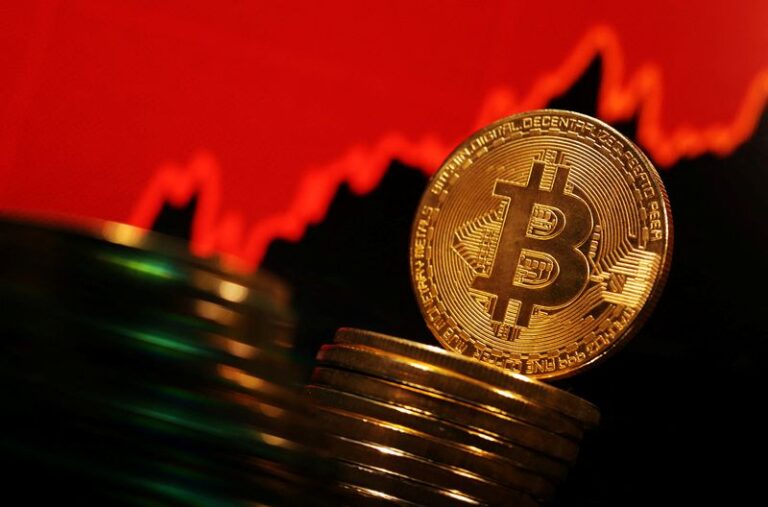
Introduction to Trading Volume
In the realm of financial markets, trading volume serves as a pivotal metric that reflects the amount of securities traded during a given period. This metric is commonly expressed as the number of shares, contracts, or lots bought and sold, providing critical insights into market activity. Understanding trading volume is essential for both investors and traders, as it can signify the strength of a price movement and help identify potential trends.
One of the primary reasons trading volume matters is its correlation to liquidity, which refers to the ability to buy or sell an asset without causing significant price fluctuations. Higher trading volumes typically indicate a more liquid market, allowing investors to execute trades more efficiently. Conversely, lower trading volumes can lead to wider bid-ask spreads and increased volatility, making it more challenging for traders to enter or exit positions. Therefore, discerning the trading volume can guide traders in developing their strategies by indicating when markets are ripe for activity.
Moreover, trading volume plays a substantial role in shaping investor sentiment and determining market momentum. For instance, a sudden spike in volume can signal a shift in market dynamics, often foreshadowing significant price movements. Traders frequently analyze volume trends alongside price charts to validate breakout signals or recognize reversals. This analysis can provide valuable context for decision-making and risk management in trading endeavors.
In summary, tracking trading volume offers critical insights into market behavior, liquidity, and investor sentiment. By consistently monitoring this important metric, traders can enhance their trading strategies and make more informed decisions in the dynamic landscape of financial markets.
Current Trading Volume Insights
In the past 24 hours, the trading volume within the financial markets has fluctuated between US$168 billion and US$170 billion. These figures indicate a robust level of market activity, highlighting a continued interest from traders and investors across various sectors. When juxtaposed with historical data, this trading volume represents a significant increase from average volumes observed over the previous months. For instance, averages in the past several weeks tended to hover around US$150 billion, indicating an uptick that is worthy of examination.
One critical aspect of this analysis is to identify which sectors or assets are predominantly contributing to the current trading volume. Notably, cryptocurrencies have demonstrated exceptional activity, with Bitcoin and Ethereum amassing substantial trading totals. These digital assets have become a focal point for traders, reflecting broader trends in investor sentiment towards alternative currencies. Additionally, traditional equities and commodities have also seen heightened trading activity, particularly in sectors such as technology and energy.
Significant trades and market events have undoubtedly played a role in driving these recent volumes. For example, announcements regarding regulatory changes or advancements in technology can spark increased interest and leads to bursts of trading activity. The release of quarterly earnings for influential companies can likewise instigate sharper fluctuations in volume as traders react to performance metrics that exceed or fall short of expectations.
In light of these insights, it is evident that the current trading volume signifies not just regular market activity but rather a dynamic shift in trading patterns. Understanding these trends is crucial, as they can inform investment strategies and expectations surrounding future market movements. As the trading landscape continues to evolve, monitoring these shifts will help participants navigate the complexities of financial investing.
Factors Influencing Recent Trading Volume
In the dynamic landscape of financial markets, trading volume is a significant indicator of market activity, reflecting the intensity of trading in a given timeframe. Several external and internal factors influence trading volume, including economic announcements, market sentiment, geopolitical events, and advancements in technology such as new trading algorithms. Understanding these factors is essential to evaluate recent trends in trading volume.
Economic announcements, such as reports on employment rates, inflation, and GDP growth, have a direct effect on trading volume. Traders often react to new information quickly, leading to increased buying and selling activity. For instance, a positive jobs report may induce confidence among investors, resulting in higher trading volume as participants seek to capitalize on anticipated market trends. Conversely, adverse economic news can lead to declines in trading volume as uncertainty prevails.
Market sentiment plays a crucial role in trading behavior as well. In periods of heightened optimism or pessimism, traders adjust their strategies accordingly, leading to fluctuations in trading volume. Social media sentiment analysis and news cycles can significantly sway trader perceptions, prompting shifts in volume as market participants react to evolving messages in real-time.
Geopolitical events, such as elections, trade agreements, and international conflicts, also contribute to market volatility and changes in trading volume. Traders often brace for impact during these events, either by increasing their trading activity to hedge against risks or reducing exposure due to uncertainty. Each geopolitical occurrence provides a unique context that shapes investor behavior and impacts trading trends.
Moreover, technological advancements, particularly the introduction of new trading algorithms, have transformed trading behaviors. Automated trading systems can execute orders at speeds and volumes unattainable by human traders, often leading to spikes in trading volume during specific market conditions. As these technologies continue to evolve, they will likely bring about further fluctuations in trading volume, underscoring the interconnected nature of market factors.
Future Predictions for Trading Volume
As we analyze the current trading volume trends, it becomes evident that a multitude of factors can influence future market activities. Analysts and experts have noted that various economic indicators, global events, and market psychology play significant roles in shaping trading behaviors. Recent data shows a heightened level of volatility, suggesting that trading volumes may continue to rise as investors react to rapidly changing circumstances.
One noteworthy trend is the increasing integration of technology in trading, particularly with the advent of algorithmic trading and artificial intelligence. These advancements allow for quicker reactions to market changes, which could lead to substantial fluctuations in trading volume. Experts predict that as more investors adopt these technologies, we may observe even more pronounced spikes in trading activity during critical market movements.
Market scenarios to monitor include potential regulatory changes that might impact trading practices. For instance, revisions to existing financial regulations could either incentivize or deter trading volume depending on how they affect investor confidence and market accessibility. Additionally, significant economic reports, such as employment figures or inflation rates, can act as catalysts, prompting increased trading as market players adjust their strategies in response to new information.
Another vital aspect to consider is investor sentiment, which is often influenced by social media and online news platforms. This interconnectedness may lead to herd behavior, where traders follow perceived trends, driving trading volumes to unexpected levels. In the upcoming weeks, it will be crucial for investors to pay attention to market sentiment, as well as any economic catalysts that may influence trading volume.
Ultimately, staying informed about these evolving trends and indicators will equip investors to better navigate the market landscape, positioning them to respond effectively to changes in trading volume.
About the Author